


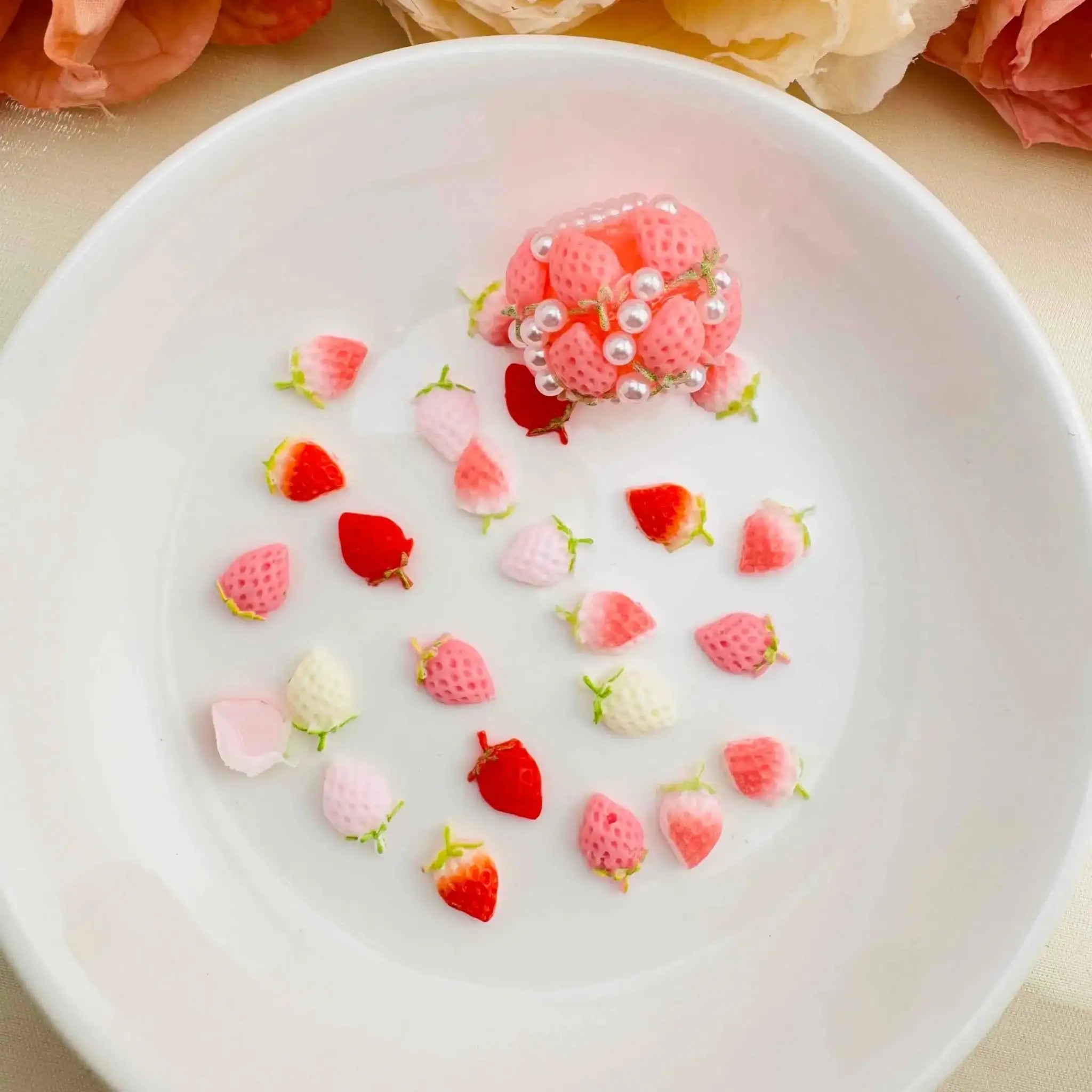


Blush, hot pink and playful shape combinations
Build Pink Bead Projects from Soft to High Energy
Pink can be delicate, candy-bright, floral or graphic. Compare blush, hot pink, glass, pony, heart and flower directions, then use material, scale and neighboring colors to keep the finished palette intentional.
Recommended product directions
Four Pink Directions for Different Project Moods
Soft Blush
Use pale values when the design needs a calm base and subtle contrast.
Browse current results BoldHot Pink
Create a high-energy focal area, color block or youth-oriented craft mix.
Browse current results FloralPink Flowers
Let shape carry the theme while simpler neighboring parts control the palette.
Browse current results LustrePearl-Looking Pink
Use visual-effect language separately from verified natural pearl content.
Browse current resultsPractical buying guidance
Choose Pink Beads by Saturation, Shape and Project Scale
Pink beads range from nearly neutral blush to vivid hot pink. Decide whether the color should create a soft background, a candy-like accent or the main visual block before selecting shapes and finishes.
Glass can add sharper reflection and more weight, while acrylic and pony styles often support lighter or more graphic arrangements. Product-level information should determine the material description and final assembly method.
Heart and flower shapes can establish a theme quickly, so use them with simpler rounds or spacers. Repeating several decorative silhouettes at the same scale may make the composition feel crowded.
For bracelets, compare outside diameter with wrist comfort and check the opening against elastic or wire. A small pastel repeat behaves differently from one oversized hot-pink focal, even when both share the same color family.
White creates a clean soft pairing, purple adds berry depth, and clear pieces reduce visual density. Gold-colored accents warm the palette, but the word gold should describe finish unless precious-metal content is verified.
Gemstone names such as rose quartz, tourmaline, coral or amethyst require the actual product material. A pink appearance by itself is not enough to use those terms in finished-product copy.
Hair and braid uses require a separate compatibility check for opening, weight, edges and fastening method. Do not treat every item in a general color collection as suitable for direct use in hair.
For a repeated product line, record the precise shade and variant. ZoeDIY can help narrow the shopping path, but current inventory, pack count and measurements come from the live listing.
Buying and compatibility help
Pink Beads FAQ
Choose one as the dominant value and use the other in smaller intervals or at the focal point. White or clear spacers can prevent the transition from feeling abrupt.
No. Rose quartz and other gemstone names require verified composition. Similar shades can occur in glass, acrylic, resin, clay and other materials.
Use a comfortable outside diameter, match the opening to the stringing material and limit oversized shapes. One decorative focal can be easier to wear than several large pieces.
Let the silhouette establish the theme, then support it with simpler rounds, spacers or letter details. Too many decorative forms at once can reduce visual clarity.
Only when the dimensions, opening, weight, edges and attachment method are appropriate. Verify each product rather than assuming collection-wide compatibility.
Lighting, exposure, background and transparency can reduce visible saturation. Review multiple images and the written variant description before ordering.
Record the exact shade, size, shape, stated material, finish, opening and units per pack. This makes future matching more reliable than using only the broad color name.